
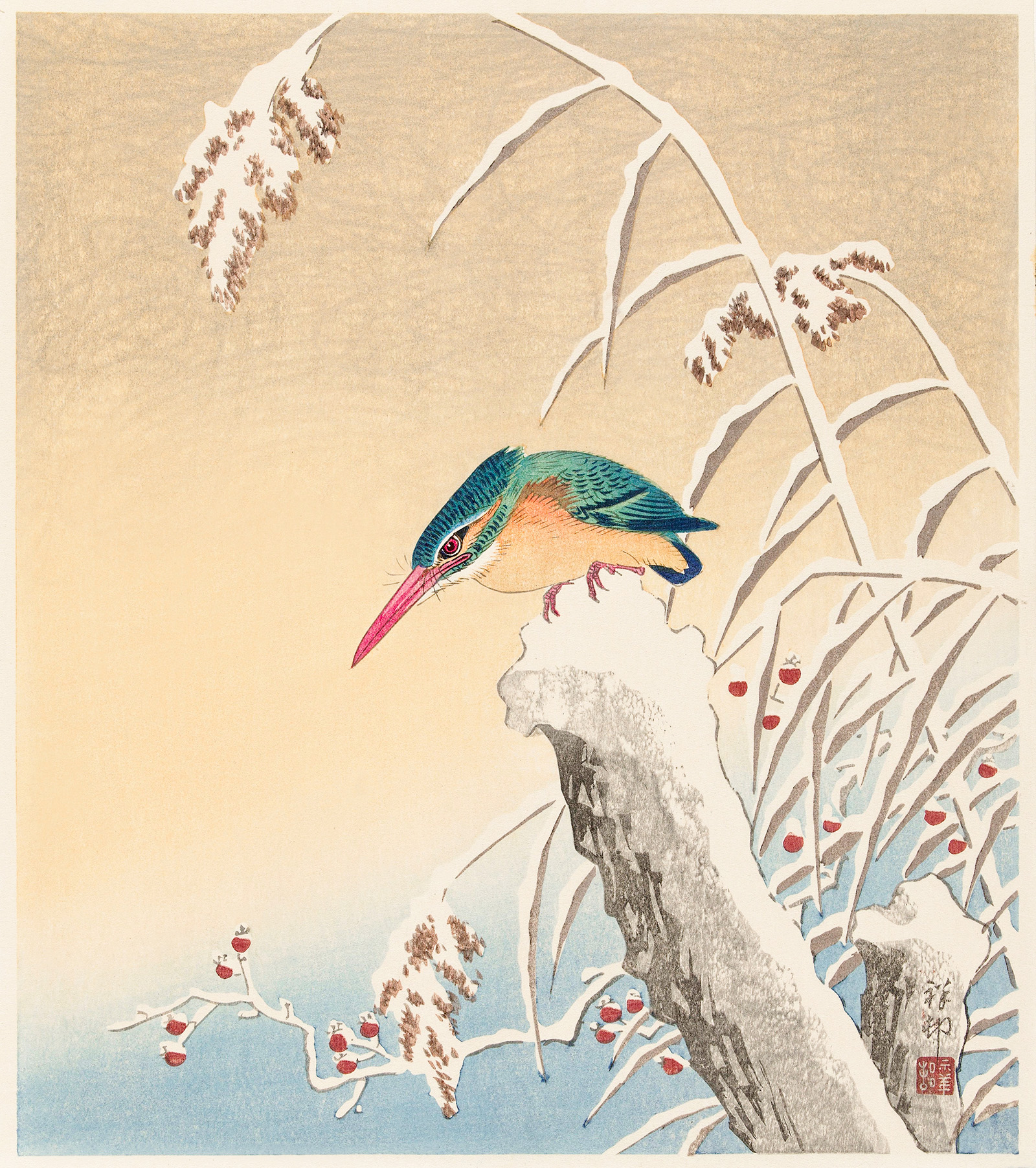
When we think of wedding jewelry, we often imagine diamonds and gold. But in imperial China, some of the most cherished bridal adornments were made from something much more unexpected: the brilliant blue feathers of the Kingfisher bird.
Ancient Chinese artisans mastered a delicate craft known as tian-tsui (點翠), which literally means “dotting with Kingfishers.” In this technique, tiny pieces of Kingfisher feathers were meticulously inlaid onto metal frames to create spectacular hairpins, earrings, and headdresses that shimmered with an almost supernatural blue glow. These striking hues were especially prized for wedding headdresses, such as the elaborately decorated dianzi worn by brides in the Qing dynasty and other elite circles.
Why Kingfisher feathers? Beyond their radiant color, these feathers carried both aesthetic and symbolic weight. They were believed to embody beauty, prosperity, and good fortune, qualities families sought to invoke for a newly married couple. A wedding dianzi adorned with Kingfisher featherwork was a talisman of hope and celebration.
There is a beautiful example of a Qing dynasty wedding headdress (Dianzi) at the Risd Museum.
Now, let’s bridge this Chinese tradition with a word that perfectly captures both the beauty and serenity we associate with weddings: halcyon.
The word halcyon has its roots in ancient Greek and originally referred to a mythical bird identified with the Kingfisher. According to legend, the gods transformed a grieving couple, Alcyone and Ceyx, into Kingfisher birds. As a gift, they calmed the seas for a period each year so that Alcyone could safely nest, giving us the term halcyon days, meaning a period of calm, peace, and happiness. Over time, halcyon came to describe any idyllic, serene time.